
Conservation Agriculture: Creating Spaces for Biodiversity
Audubon News Read More
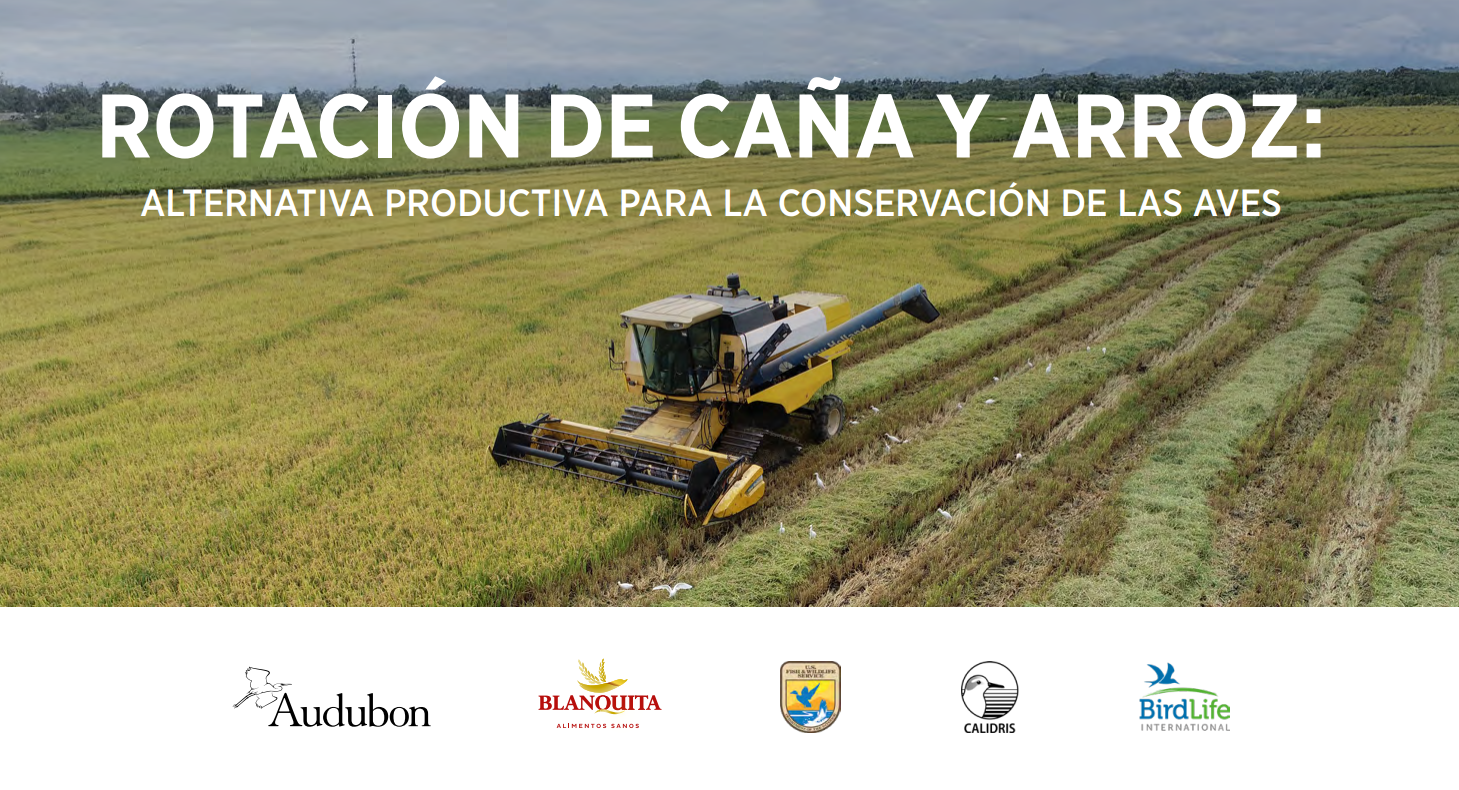
In a world where sustainability and agricultural efficiency are more important than ever, we present an essential guide that will transform your vision of field production: the Sugarcane and Rice Rotation Playbook.
Currently, agriculture faces significant challenges due to climate change and the constant pressure to increase food production. Nature-based solutions emerge as an effective alternative, utilizing ecosystems and their natural processes to address these challenges, promoting sustainable resource management, enhancing the resilience of agricultural systems, and contributing to environmental health. This emphasizes the importance of integrating nature and production.
The agricultural practice of crop rotation, especially between sugarcane and rice, is an innovative approach with potential as a nature-based solution. It helps improve the sustainability and resilience of agro-ecosystems. Rotation not only optimizes the use of available resources but also helps mitigate the impact of climate variations, protect biodiversity, and foster soil health, providing agronomic, economic, and environmental benefits for farmers.
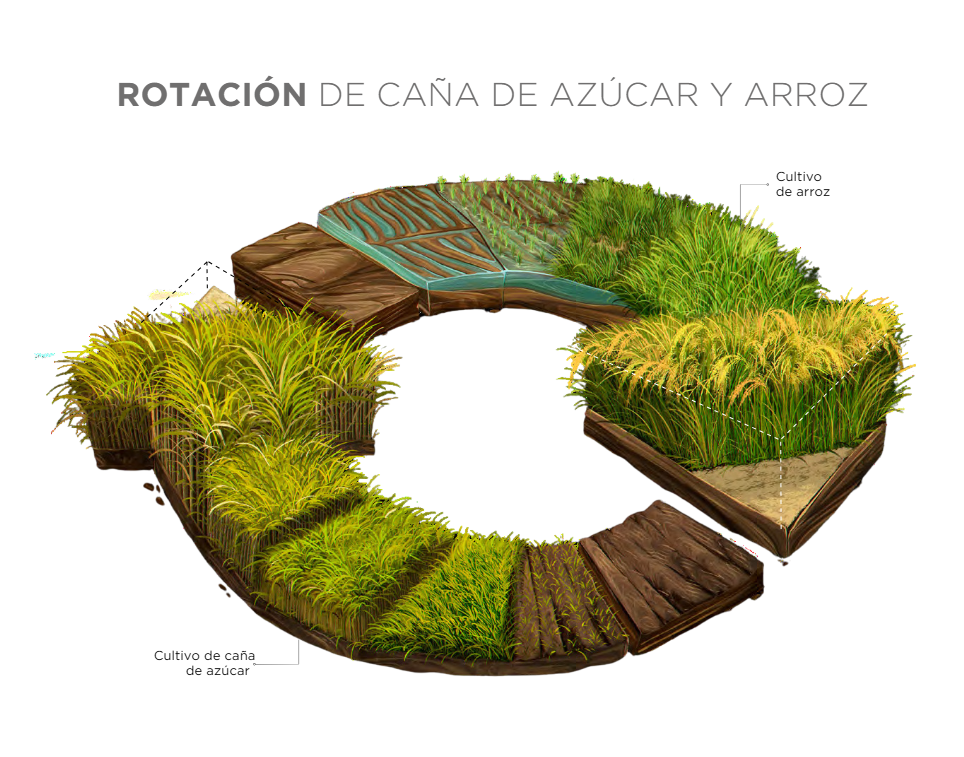
The National Audubon Society, Calidris Association, Universidad Icesi, and Arroz Blanquita have joined forces to study the potential of sugarcane and rice rotation for bird conservation in the Cauca River Valley, Colombia. This manual explores the results of these studies, which demonstrate that cultivating rice in rotation for one or two cycles per year can improve the survival chances of regional bird species.
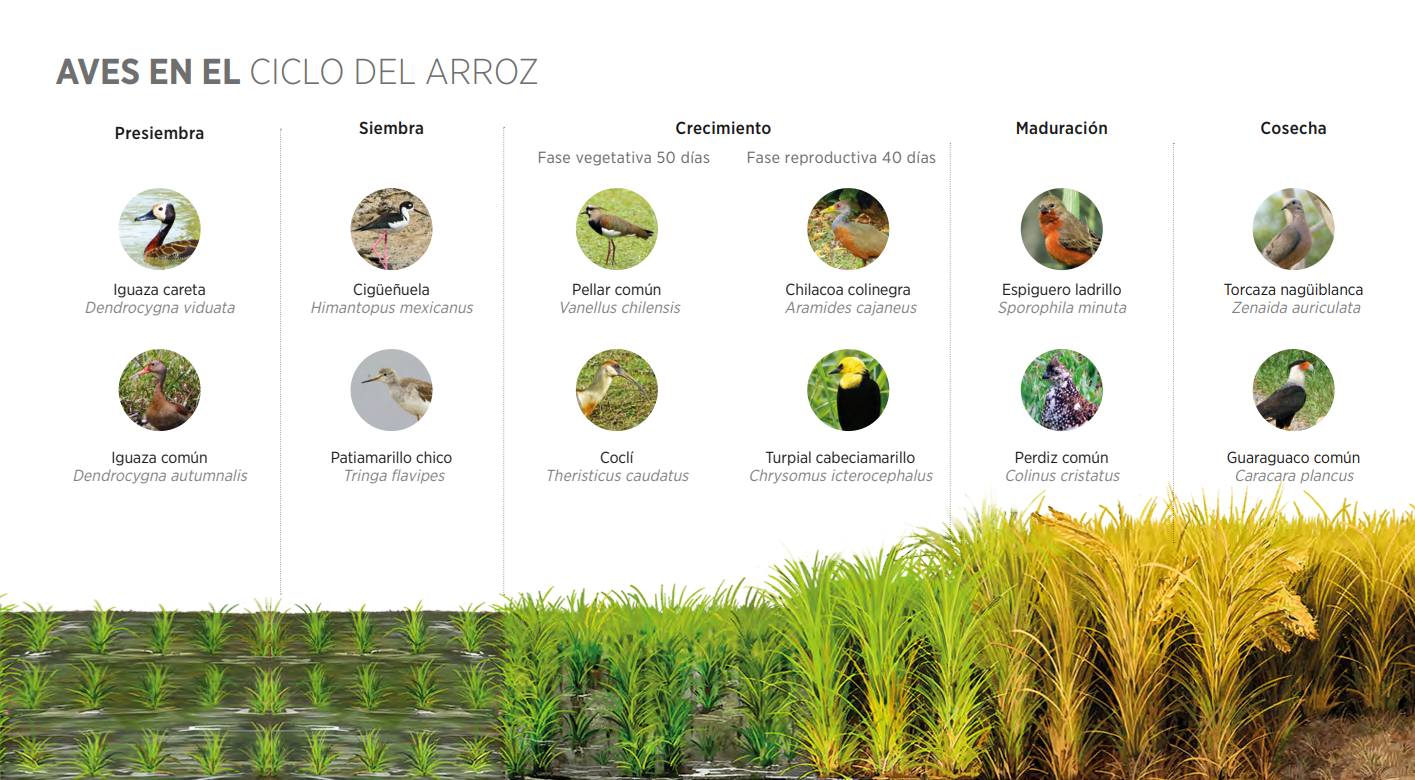
By alternating sugarcane and rice crops, diverse and rich habitats are created that support native and migratory bird species, which are vital for the ecological balance of the territory since they provide essential services that ensure productive agriculture. With this approach, farmers in the Cauca River Valley not only improve their practices but also actively contribute to biodiversity conservation, reinforcing their commitment to sustainability and environmental preservation.
What will you find in this manual?
This isn’t just a guide; it’s a comprehensive resource that offers:
- Practical strategies: Discover how crop rotation can optimize land use and maximize your harvests.
- Environmental benefits: Learn how this technique promotes biodiversity, improves soil health, and reduces dependence on harmful chemicals.
Why rotate sugarcane and rice?
Crop rotation, especially between sugarcane and rice, is an innovative practice that has proven to be a valuable solution for improving the sustainability and resilience of agro-ecosystems. This technique not only optimizes resource use but also helps mitigate the impacts of climate variations, protect biodiversity, and promote healthy soils.
Who is this manual for?
- Farmers and agricultural producers
- Agronomists and sector technicians
- Students of agriculture and environmental sciences
- Anyone interested in sustainable farming practices
How to download the manual?
It’s very easy! Click here and gain immediate access to this valuable tool.